
Pine Bluff, arkansas:
Historic Crossroads of the Blues
From the Arkansas Delta to Chicago and the World
Pine Bluff, Arkansas, holds a significant, though often underrecognized, place in the history and development of American blues music. Situated along the Arkansas River at the western edge of the Mississippi Delta, Pine Bluff was more than a stopping point for traveling musicians. It was a gathering place, a training ground, and a vibrant center of African American musical culture that helped shape the evolution of Delta blues, Chicago blues, rhythm and blues, and Southern soul.
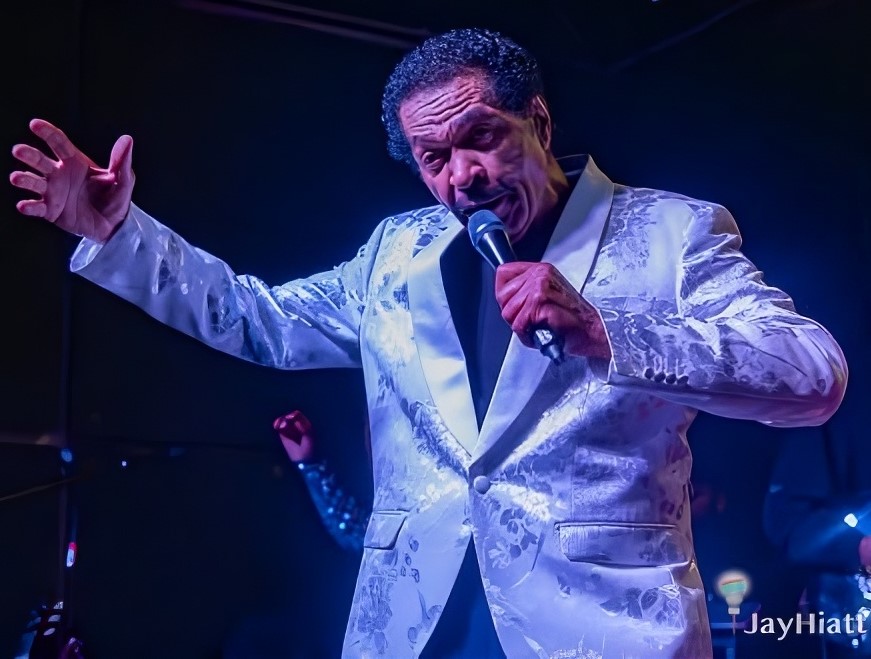
During the first half of the twentieth century, Pine Bluff developed a thriving music scene supported by its African American neighborhoods, entertainment establishments, social clubs, and commercial districts. Its juke joints, dance halls, and nightclubs provided opportunities for local musicians to develop their talents while bringing nationally recognized performers into contact with emerging artists.
Among the musicians with important connections to Pine Bluff were Big Bill Broonzy, Bobby Rush, Elmore James, Pinetop Perkins, Boyd Gilmore, Johnny "Big Moose" Walker, and CeDell Davis. Their collective influence extended far beyond Arkansas, helping establish musical traditions that would eventually reach audiences around the world.
The Roots of Pine Bluff's Blues Heritage
The origins of Pine Bluff's blues tradition can be traced to the nineteenth century and the experiences of African Americans living and working in the Arkansas Delta.
Following emancipation, African American communities developed rich musical traditions drawing upon spirituals, gospel, work songs, field hollers, and other forms of musical expression. These traditions reflected the hardships, aspirations, humor, relationships, and everyday experiences of Black life in the rural South.
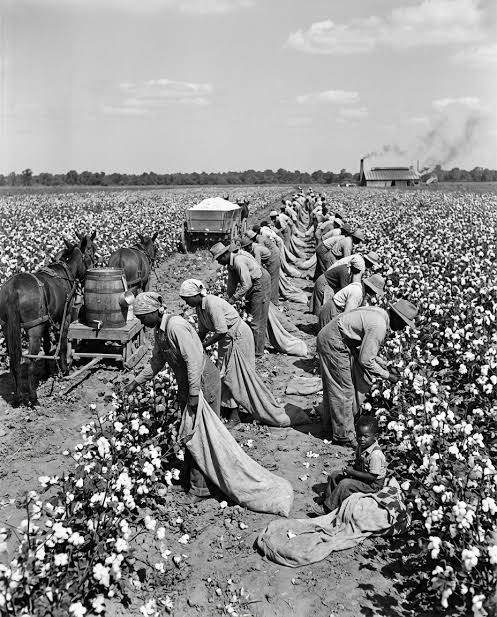
Jefferson County's agricultural economy, particularly its cotton plantations and farms, helped create the social and cultural environment in which early blues traditions flourished.
Pine Bluff's importance grew as people moved between rural communities and the city seeking employment, commerce, entertainment, and social opportunities. Musicians brought their regional styles into town, where they encountered other performers and audiences. The resulting exchange of musical ideas contributed to an increasingly diverse blues culture.
The city's importance also extended back to the Civil War. Pine Bluff's refugee camps brought together formerly enslaved people from multiple communities and states, creating a convergence of cultural and musical traditions that preceded the emergence of commercial blues.
The Golden Age of Pine Bluff Blues: 1920s–1950s
During the 1920s through the 1950s, Pine Bluff emerged as an important entertainment destination within the network of African American performance venues commonly called the Chitlin' Circuit.
Segregation limited opportunities for Black entertainers to perform in many mainstream establishments. As a result, a parallel network of Black-owned clubs, theaters, restaurants, and entertainment venues developed throughout the South. Pine Bluff became an important stop within this network.
Among the establishments associated with the city's historic entertainment scene were:
- Jack Rabbit Club – Part of the city's historic Black entertainment circuit, later called Jungle Club or Hut.
- Rainbow Club – Remembered as a venue for traveling blues performers.
- Masonic Temple – An important gathering and entertainment location.
- Jitterbugs – Associated with Bobby Rush's early performances.
- Black Cat Club & Gala Room – Other historic blues juke joints associated with Pine Bluff's nightlife.
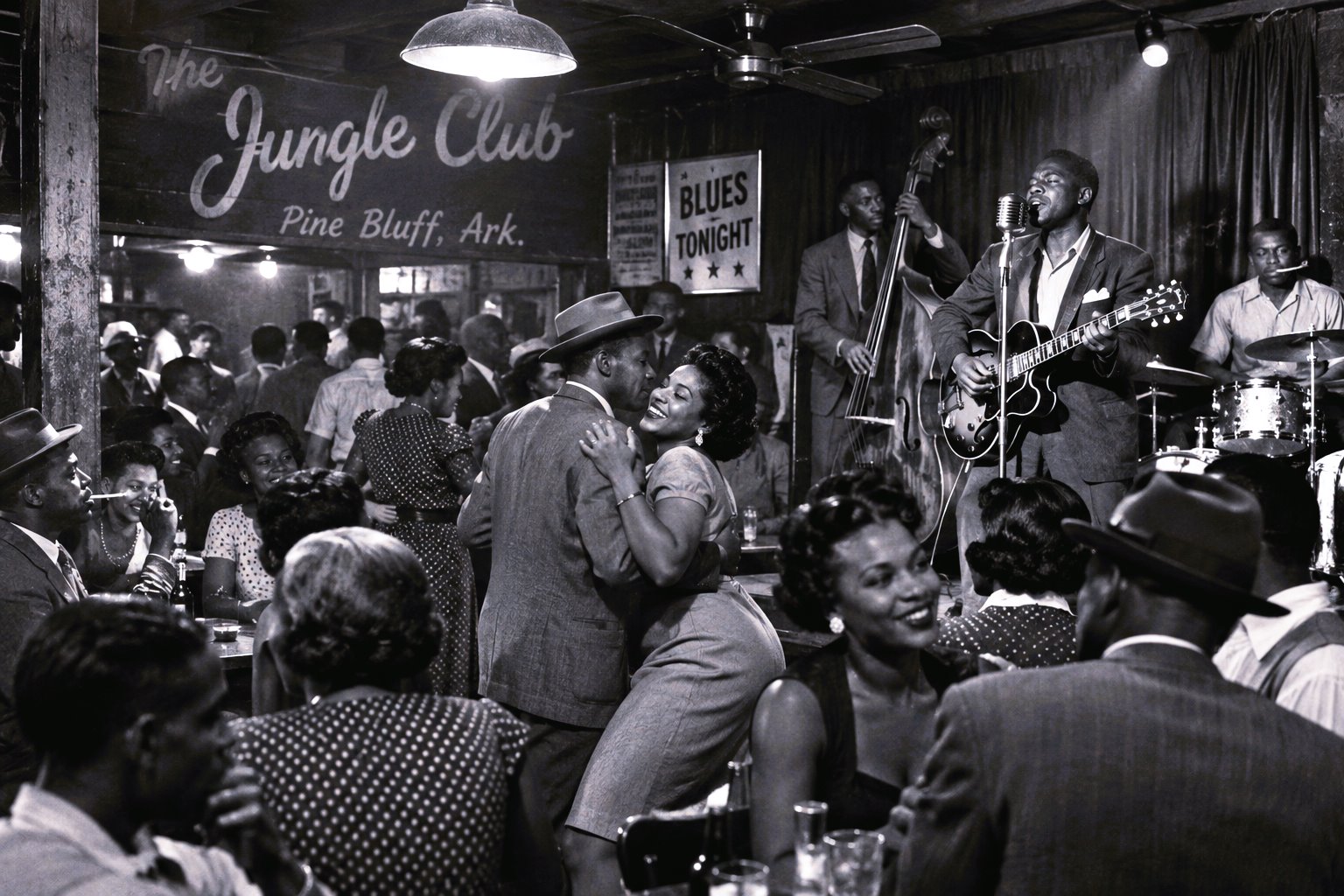
These establishments provided more than entertainment. They offered musicians opportunities to earn a living, experiment with new sounds, build professional relationships, and reach audiences.
Arkansas tourism history specifically identifies the Rainbow Club, Jack Rabbit Club, and Masonic Temple as stops for traveling blues performers. Pine Bluff's position along regional transportation routes also helped connect the city with the blues communities of Helena, Memphis, Little Rock, and eventually Chicago.
Pine Bluff's Connection to Legendary Blues Musicians
Big Bill Broonzy (1903?–1958)
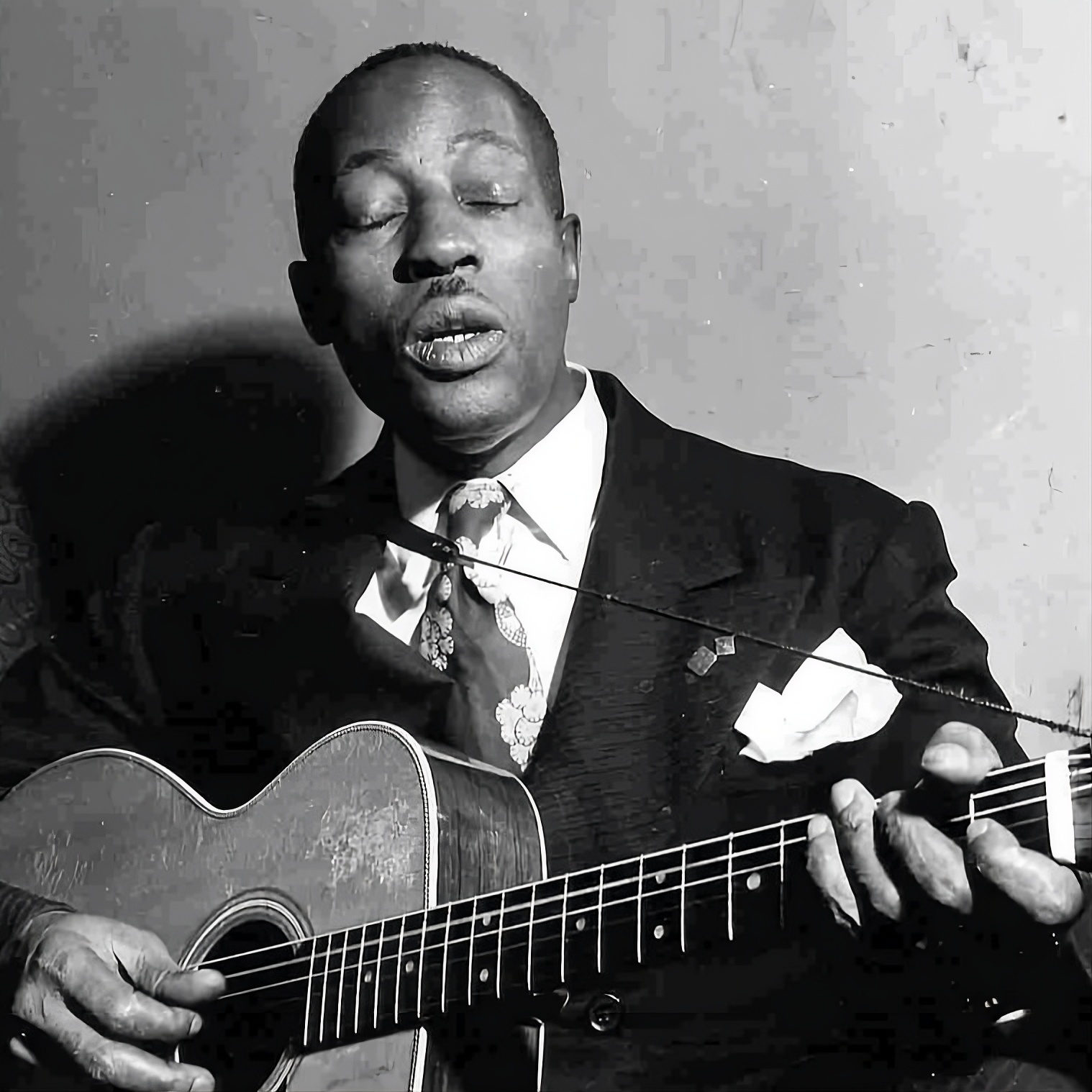
Broonzy spent much of his childhood in the Pine Bluff area, where he learned fiddle and began performing at social and church gatherings. He later became one of the most influential figures in Chicago blues, recording hundreds of songs and helping introduce American blues to European audiences. His life illustrates the musical migration from rural Arkansas to the urban North.
Bobby Rush (born 1933)
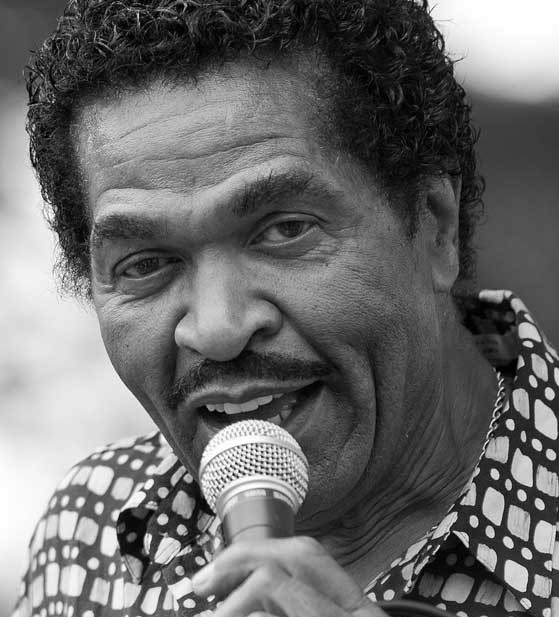
Perhaps the most recognizable living representative of Pine Bluff's blues heritage, Rush moved to Pine Bluff with his family in 1947. As a teenager, he began performing locally and formed musical relationships with Elmore James, Boyd Gilmore, and Johnny "Big Moose" Walker. His early band, Bobby Rush and the Four Jivers, helped launch a career that eventually brought Grammy Awards and international recognition.
Encyclopedia of Arkansas+1
Elmore James (1918–1963)
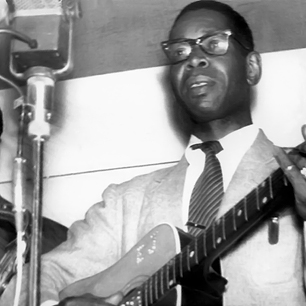
One of the defining architects of electric slide guitar blues, James had important connections to Pine Bluff's music community. Accounts place him living with a cousin in Pine Bluff during his early musical development. His distinctive amplified slide guitar sound would become foundational to modern electric blues and blues-rock.
Only In Arkansas
Pinetop Perkins (1913–2011)
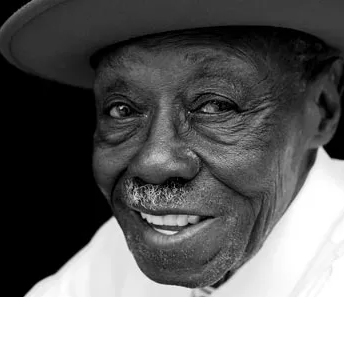
The celebrated blues pianist, later associated with Muddy Waters and the Chicago blues tradition, was part of the regional network of musicians connected with Bobby Rush's early Pine Bluff band. His career demonstrates the close relationship between Arkansas Delta musicians and the development of Chicago's electric blues sound.
CeDell Davis (1926–2017)
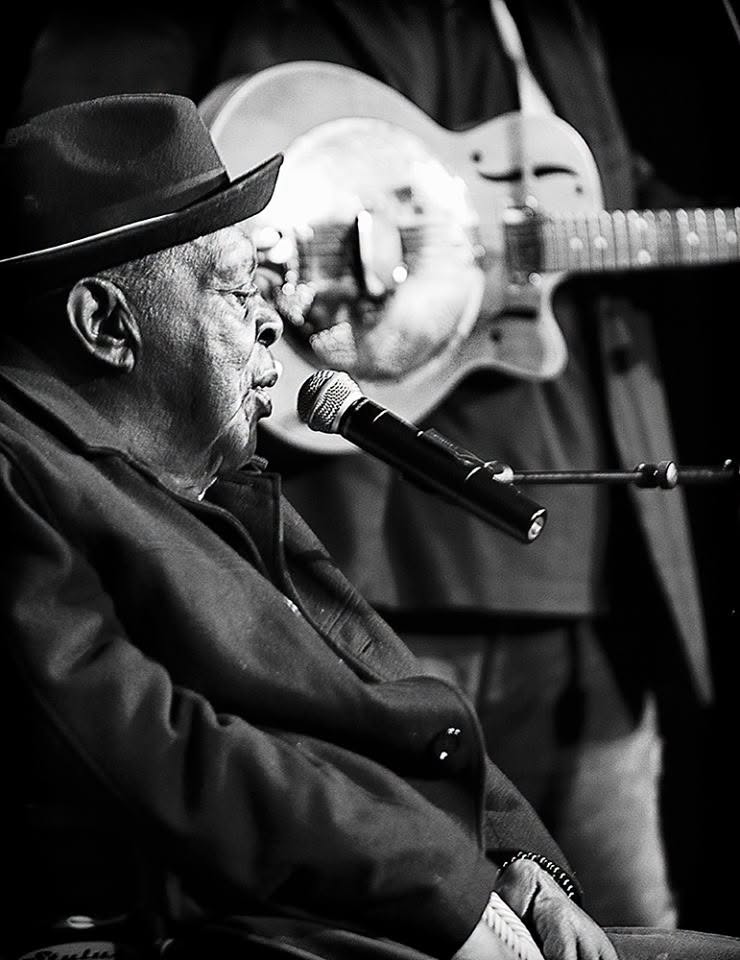
Known for his unconventional guitar technique using a butter knife as a slide, Davis became a distinctive figure in Arkansas blues. He lived and performed in Pine Bluff, where his raw, expressive style maintained a direct connection to the older Delta blues tradition.
Other Musicians
Other important musicians with Pine Bluff connections include Boyd Gilmore, a Delta blues singer and guitarist; Johnny "Big Moose" Walker, a pianist and multi-instrumentalist; Robert Plunkett, associated with Bobby Rush's early band; Casey Bill Weldon, a pioneering slide guitarist born in Pine Bluff; and Joshua Altheimer, a blues pianist active during the 1930s.
Together, these musicians represent several generations of blues development, from rural acoustic traditions to amplified urban blues.
Pine Bluff's Influence on the Recording Industry
One of the most remarkable and frequently overlooked figures in Pine Bluff's musical history is J. Mayo 'Ink' Williams, born in Pine Bluff in 1894.
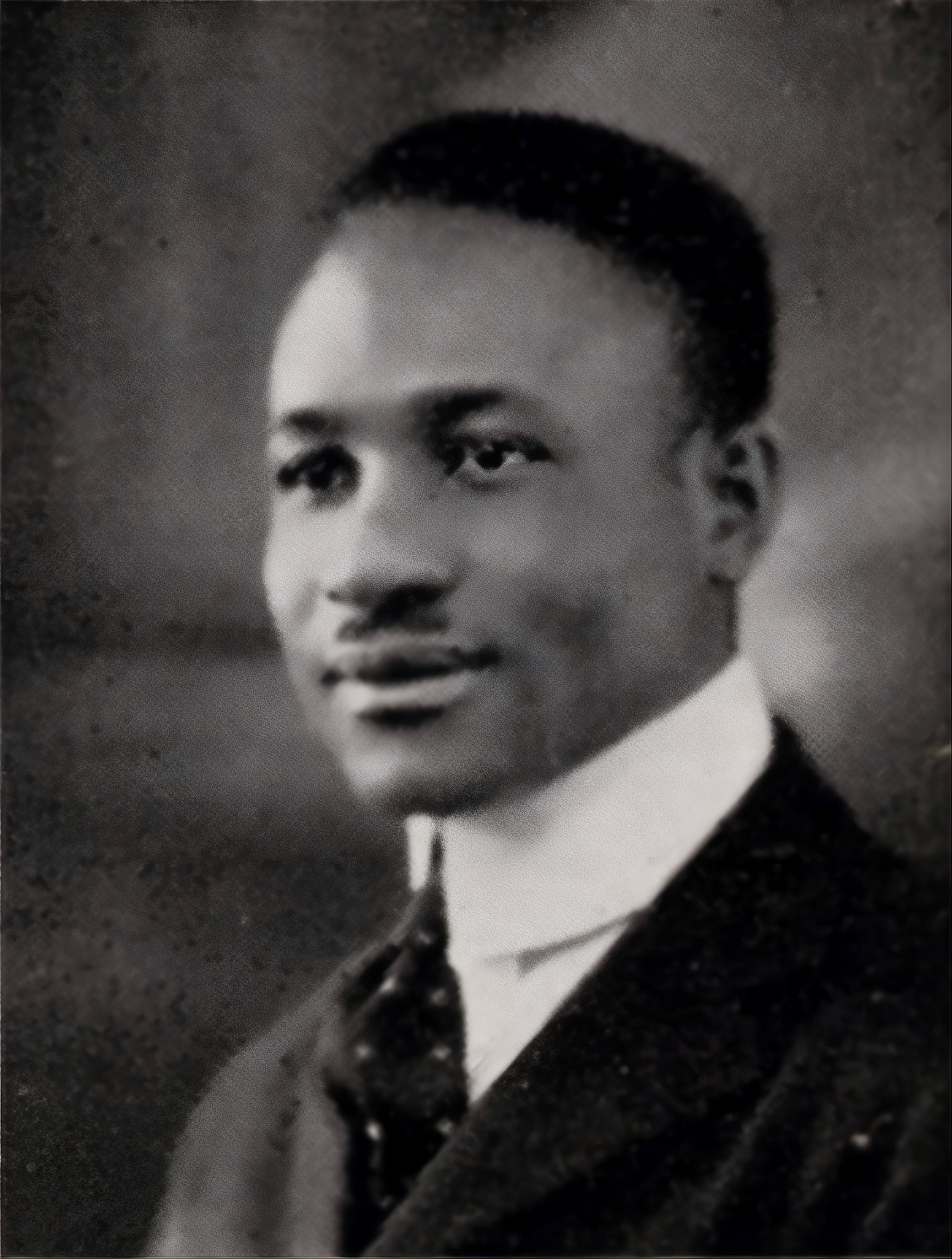
Williams became the first African American record producer and executive at a major record label. Working with Paramount Records and later Decca, he helped bring the music of Black performers to a national audience during the formative decades of commercial blues recording.
His work included recording and promoting influential musicians such as Blind Lemon Jefferson, Tampa Red, Roosevelt Sykes, and many others.
Williams helped establish the recording and distribution networks that transformed the blues from a regional musical tradition into a commercially successful American art form.
While musicians such as Broonzy and Rush carried the blues from Pine Bluff to national stages, Williams helped create the recording industry infrastructure through which blues music reached millions of listeners.
Encyclopedia of Arkansas
The Migration North and the Development of Chicago Blues
One of Pine Bluff's most significant contributions to American music was its participation in the movement of Southern blues musicians to northern cities.
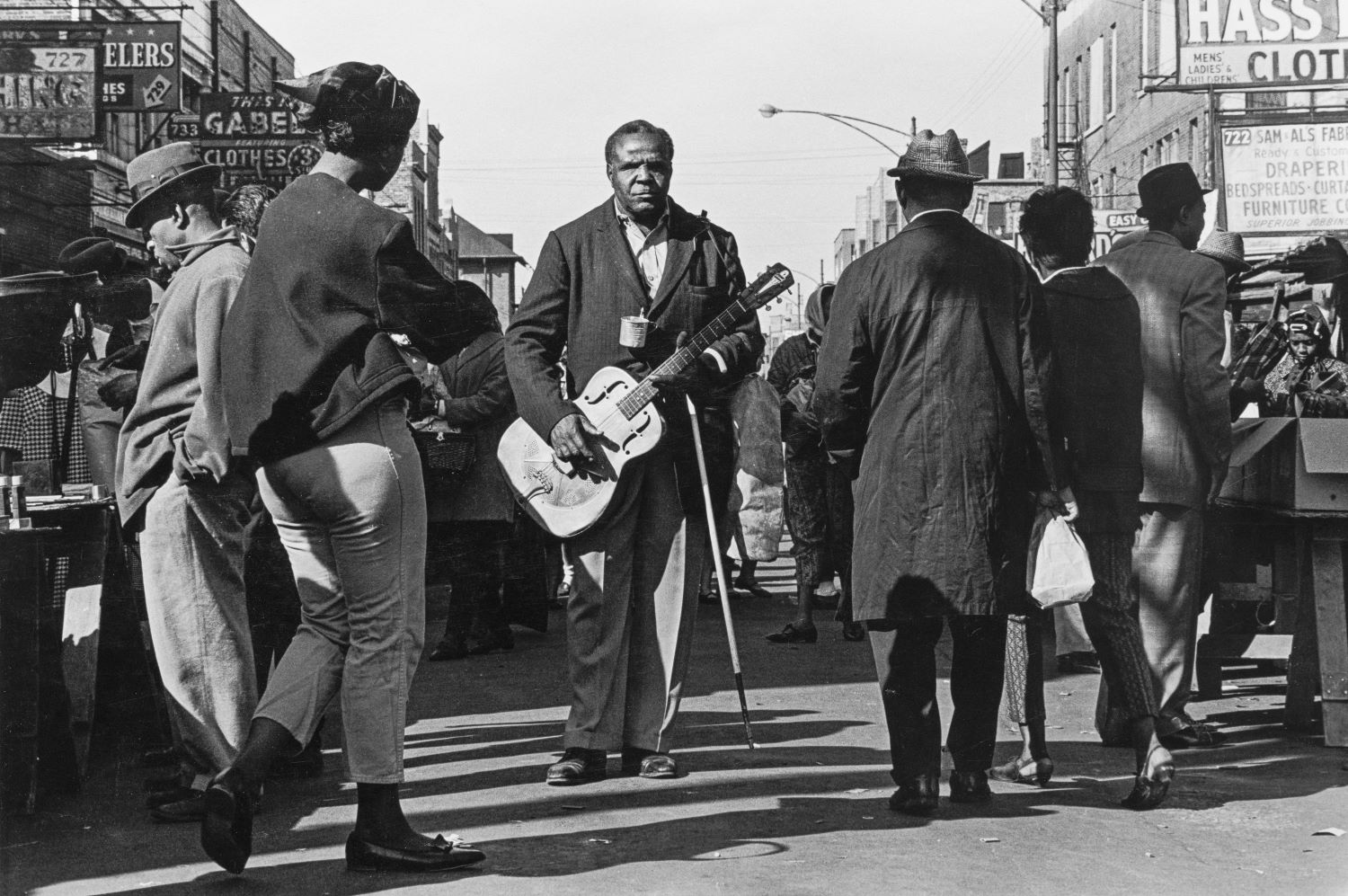
During the Great Migration, African Americans left Arkansas and other Southern states seeking employment, economic opportunity, and freedom from Jim Crow segregation. Many musicians carried the blues traditions they had developed in the Delta to cities such as Chicago, Detroit, and St. Louis. As the music moved north, it evolved. Acoustic guitars were replaced or supplemented by amplified instruments, rhythm sections became more prominent, and rural blues traditions merged with urban musical influences.
Big Bill Broonzy was among the pioneers of this transformation. Bobby Rush later followed a similar geographic path, bringing the theatrical performance traditions of the Southern Chitlin' Circuit into a modern blend of blues, soul, and funk.
Pine Bluff's connection to this migration makes the city an important part of the story of how Delta blues became electric Chicago blues and, ultimately, influenced rock and roll.
Preserving Blues Heritage Today
Although the historic entertainment districts and many of the original clubs have disappeared, Pine Bluff's connection to the blues remains an important part of its cultural identity.
Organizations such as the Port City Blues Society continue the tradition through live performances, educational programming, concerts, and weekly blues jams. These activities provide opportunities for established and emerging musicians to perform together while introducing new audiences to the genre.
The Delta Rhythm & Bayous Alliance and local tourism organizations have also worked to document and promote the region's musical history through exhibits, cultural initiatives, and heritage attractions.
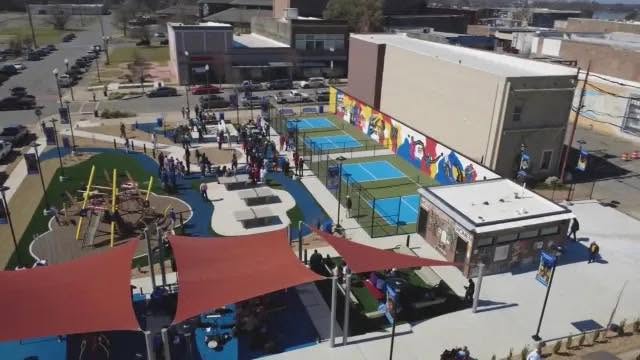
In February 2026, Pine Bluff unveiled the Delta Rhythm & Bayous Blues & Wellness Plaza, a major outdoor cultural installation celebrating generations of Arkansas Delta musicians. The Arkansas River Delta Blues Trail is another initiative recognizing musicians associated with the region.
These preservation efforts recognize that Pine Bluff's blues heritage represents more than musical entertainment. It is an important part of the city's African American history, cultural development, and contribution to American music.
Pine Bluff's Place in Blues History
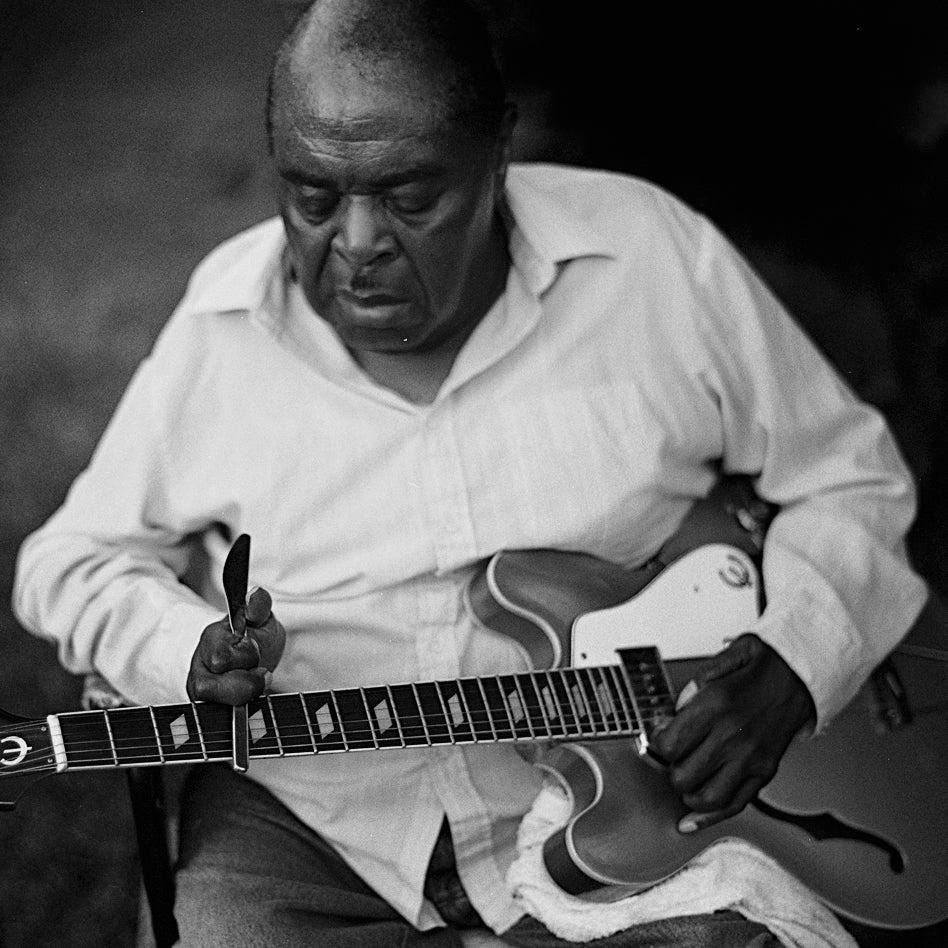
Pine Bluff deserves recognition alongside better-known blues centers such as Helena, Memphis, Clarksdale, and Chicago. Its importance rests on several interconnected contributions: the development of early blues musicians, its historic network of African American entertainment venues, its role in the movement of blues artists to northern cities, and the influence of individuals who helped establish the commercial recording industry.
Perhaps most importantly, Pine Bluff was a place where generations of musicians learned from one another, shared musical ideas, and developed styles that would eventually influence American popular music.
Pine Bluff was not simply a place where the blues was performed. It was a place where the blues was nurtured, developed, and carried forward to the rest of the world.

